One Sunday morning, Emma had already wrapped up her laundry. The whites were clean. The colors were done. Now everything was sitting in one pile. Ready to go into the dryer.
But, she paused for a moment.
Wouldn’t it be easier to just toss everything in together? But something about it didn’t feel quite right.
Would the colors transfer?
Would the whites lose their brightness?
Though this may sound like a small decision, it is a common dilemma many people face. So let’s find out.
Can you dry whites and colors together?

The honest answer is: you can. However, it depends on what’s in the load.
Drying is different from washing. In the washer, water and detergent actively pull dye out of fabrics. In the dryer, there’s no water - it is just heat and movement. It means the risk is lower, but not zero.
Even in a dryer, heat can loosen leftover dye, and friction can transfer it, especially onto lighter fabrics. So while many mixed loads turn out fine - some don’t.
What actually happens inside the dryer

Once clothes start tumbling, a few things happen at the same time:
-
Heat opens up fabric fibers
-
Movement creates friction between garments
-
Any leftover dye or loose fibers get redistributed
This is why color transfer can still happen, even without water. It’s not soaking. It’s rubbing. And in some cases, that’s enough to do the damage.
Dark garments, especially newer ones, may still carry excess dye. Under heat, that dye can transfer onto whites - leaving a faint tint or dullness.
It’s not just color; lint plays a role too
When dye is not the problem, something else is - lint. When clothes move in the dryer, they release tiny fibers. And these fibers don’t just disappear. They move around the drum.
Light-colored fabrics easily catch lint from darker clothes, and dark ones catch lint from the lighter ones. It can leave them looking dull.
So even if your clothes aren’t dirty, they might not look as clean as you expected.
When it’s usually okay
There are plenty of situations where mixing is perfectly fine.
You can generally dry whites and colors together if:
-
Clothes have already been washed several times,
-
Colors are stable and no longer bleed, or
-
There are no heavily dyed or new garments.
In these cases, dyes have already settled. The chances of transfer are minimal.
When it’s better to separate

There are moments when mixing loads isn’t worth the risk.
It’s best to separate if:
-
Clothes are new (especially dark or bold colors),
-
You’re drying whites that you want to keep bright,
-
The load includes heavy fabrics like towels,
-
Items require different drying times.
New clothes can be a little unpredictable. They may seem fine after washing. But dryer heat can still bring out leftover dye.
Heat matters more than you think
Not all dryer cycles behave the same way.
When clothes are exposed to high heat, it increases the chances of:
-
Dye release
-
Fabric stress
-
Lint production
Using a low or medium heat setting keeps things more controlled. So if you’re drying a mixed load, it is better to go with a gentler heat. This will help reduce the chances of color transfer and fabric damage.
What about washing (does it matter?)

Yes. It matters much more than drying. If you’re wondering, can you wash colors and whites together in cold water? The answer is: sometimes, but cautiously.
Cold water reduces dye bleeding, but it doesn’t eliminate it completely. That’s why most experts still recommend separating loads before washing - because once dye transfers in water, it’s much harder to reverse.
Compared to that, drying is a secondary risk.
A simple way to decide
If you’re unsure, this quick rule helps:
-
New clothes → separate
-
Dark or bold colors → separate
-
Whites you care about → separate
-
Older, well-washed clothes → usually safe
It doesn’t have to be perfect. Just intentional.
Mozi Wash: Where better drying actually begins
Drying feels like the final step. But the way your clothes turn out after drying is shaped much earlier. It starts at the time of washing. Some washes leave clothes feeling a little heavy. Slightly dull. Or not as soft as they used to be.
You may not notice it immediately. But it shows up later in how fabrics fall, how they feel, and even how they smell once they’re dry. By the time clothes go into the dryer, a lot has already been set in motion.
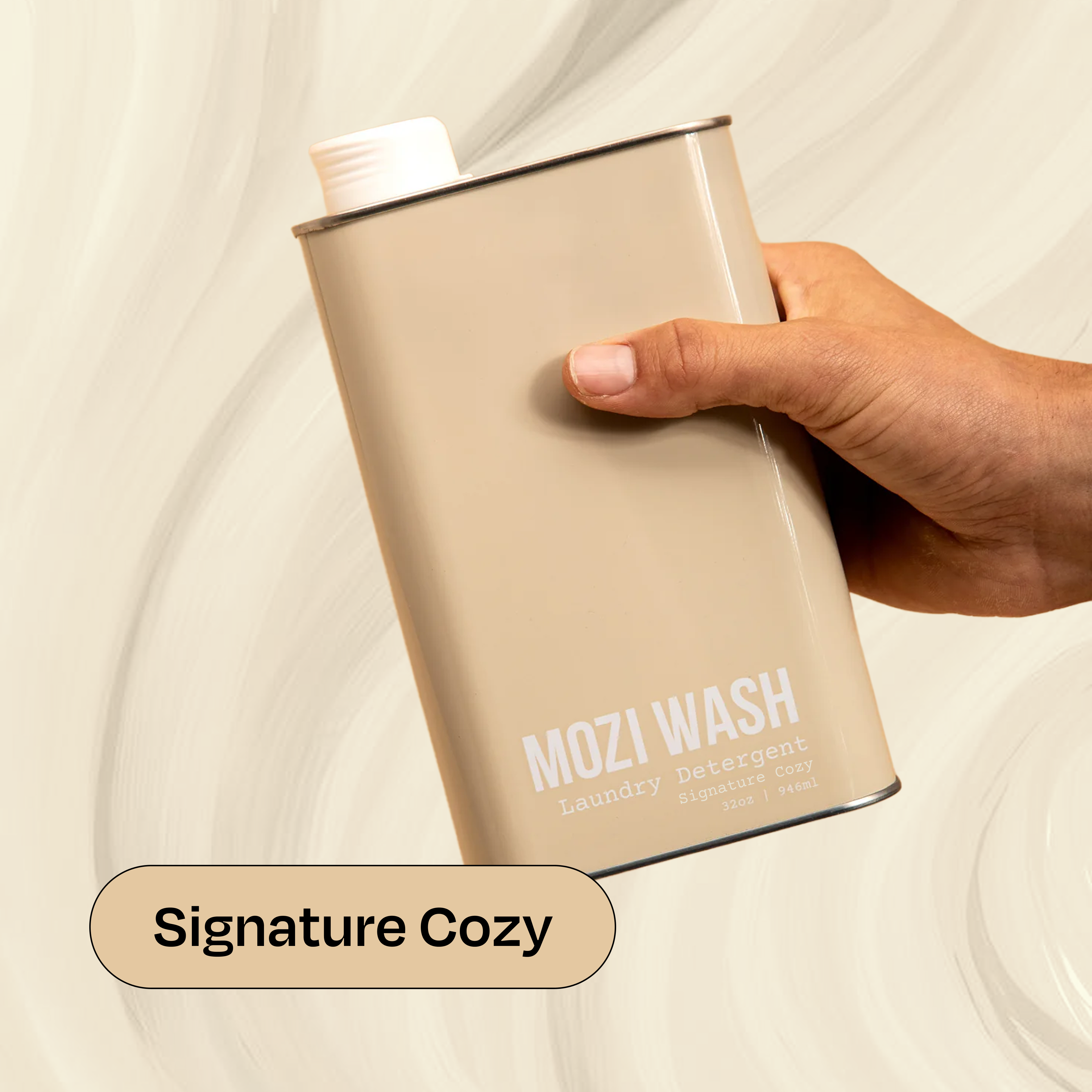
This is where something like Mozi Wash fits in quietly. It cleans in a way that is balanced. Nothing too harsh, nothing left behind. It also stays closer to what fabrics are naturally comfortable with - a balanced-pH range of 4 to 6.
Over time, that makes a difference. Clothes feel softer. Colors stay more even. Whites don’t lose their brightness as quickly. Also, when they come out of the dryer, they don’t just look clean - they smell fresh in a way that lasts.
Final thought
Laundry really doesn’t have to be as complicated as we sometimes make it out to be. Most of the time, it’s just about getting a few basics right and sticking to them.
If you’ve bought new clothes, it’s a good idea to wash them separately the first couple of times - especially if they’re brightly colored. It also helps to avoid stuffing the dryer too much. Giving your clothes a little space actually makes a noticeable difference.
Instead of defaulting to high heat, a moderate setting usually keeps things more controlled. The same idea applies while washing. Gentler settings usually do the job just as well, without being harsh on the fabric.
And of course - the detergent. What you use matters a lot. Picking something that’s a bit more fabric-friendly can go a long way over time.
Drying whites and colors together isn’t always a mistake. In many cases, it works just fine. The key is knowing when to be careful. Once you start understanding how different fabrics react, laundry stops feeling like trial and error. It just becomes another simple part of your routine.
FAQs about Drying Whites & Colors Together
Can you dry whites and colors together?
Yes, you can dry whites and colors together if the clothes are not new. The dyes on clothes usually stabilize after a few washes.
Why do colors sometimes transfer in the dryer?
Heat and friction can release leftover dye. It may sometimes transfer onto lighter fabrics.
Can I wash colors and white together in cold water?
Cold water reduces dye transfer but doesn’t eliminate it completely. Separating white and colored clothes is still safer.
Is drying together safer than washing together?
Yes. Washing carries a higher risk because water helps dyes spread more easily.
Do clothes still bleed in the dryer?
Sometimes they do. Especially the new garments. It happens when the dye hasn’t fully set.
How can I prevent color transfer completely?
You can follow a few things to prevent color transfer: separate new clothes, avoid high heat, and use a detergent that helps maintain dye stability.