Slime has a way of ending up exactly where you don’t want it to be.
It starts as something harmless - a quick playtime activity, a bit of fun. And then later, you notice it is pressed deep into the fabric. Not coming off as easily as you expected.
At that point, it’s less about cleaning and more about figuring out what actually works.
Because slime isn’t like a regular stain. It stretches and sticks. If you handle it the wrong way, it can settle deeper into the fabric.
The good news is that it can be removed without damaging the clothes… with the right approach.
Why is slime so hard to remove?

Slime is usually made with glue, water, and bonding agents like borax. That’s what gives it that stretchy texture. But it’s also what makes it stubborn.
Once it gets into fabric:
-
It sticks to fibers
-
It dries and hardens over time
-
It can leave behind color stains
That’s why acting early matters. Fresh slime is much easier to handle than dried slime.
How to remove slime from clothes (the right approach)

The process to remove slime from clothes is simple and practical.
Step 1: Begin with the removal of the top layer
The first instinct is to take it straight to the sink and start scrubbing. But that usually backfires.
Slime spreads when it’s wet. And pushing it around just pushes it deeper into the fibers.
So before doing anything else, peel or scrape off as much slime as possible. Whatever is visible on the surface.
A spoon works. Your fingers work too. The goal isn’t to make it perfect - but get rid of the thick layer sitting on top.
For the leftover slime, you can follow the next step.
Step 2: Treat the stain with vinegar
It sounds basic, but it works. Pour a little white vinegar directly onto the area. Let it sit for a few minutes - not too long. Just enough for it to soak in.
What it does is break down that sticky, glue-like base in the slime. You’ll notice it almost starts loosening on its own.
Step 3: Gently scrub it off
At this point, fetch a soft brush (an old toothbrush is fine). Gently work through it. Not aggressively. Just enough to lift it out.
If needed, repeat the vinegar step.
Step 4: Wash it like you normally would
Once most of it is gone, rinse it out with lukewarm water. Then just put it through a regular wash.
But one important thing: make sure the slime is fully gone before drying. If there’s even a little bit left, heat will set it. And once that happens, it’s much harder to fix.
How to remove dried slime from clothes

This is where it gets slightly annoying - because dried slime doesn’t move easily. What helps here is doing the opposite of what you’d expect - make it harder first.
Put the clothing in the freezer for 15 - 20 mins. Once it stiffens, you can actually peel or break most of it off. It won’t be perfect, but a good amount comes off this way.
After that, go back to the same process:
-
vinegar,
-
gentle brushing, and
-
wash
That’s usually enough for removing dried slime from clothes without damaging them.
What if the slime leaves a stain?

Sometimes, the slime itself comes off but the color stays behind.
This usually happens when:
-
The slime contains dyes,
-
It’s been sitting for a while, or
-
Heat has already set the stain.
In such a case, you can:
-
Repeat the vinegar treatment, or
-
Or use a mild stain remover before washing.
For white clothes, a diluted bleach solution may help but always test first.
Some common mistakes you must avoid
A few common mistakes can make slime stains worse:
-
Using hot water too early - This can set the slime deeper into the fabric.
-
Putting it straight into the dryer - Heat locks the stain permanently.
-
Scrubbing too aggressively - This pushes slime deeper into fibers.
-
Skipping pre-treatment - Washing alone won’t remove slime properly.
A simpler way to think about slime removal
Instead of trying random fixes, think in stages:
-
Lift (remove excess slime)
-
Break down (vinegar or solution)
-
Clean (wash properly)
Once you follow this sequence, slime removal becomes much more manageable.
Mozi Wash: Making cleanup easier from the start
When you’re dealing with something like slime, the goal isn’t just to clean it — it’s to clean it without stressing the fabric.
Since kids’ clothes go through a lot already. This is where the kind of detergent you use starts to matter.
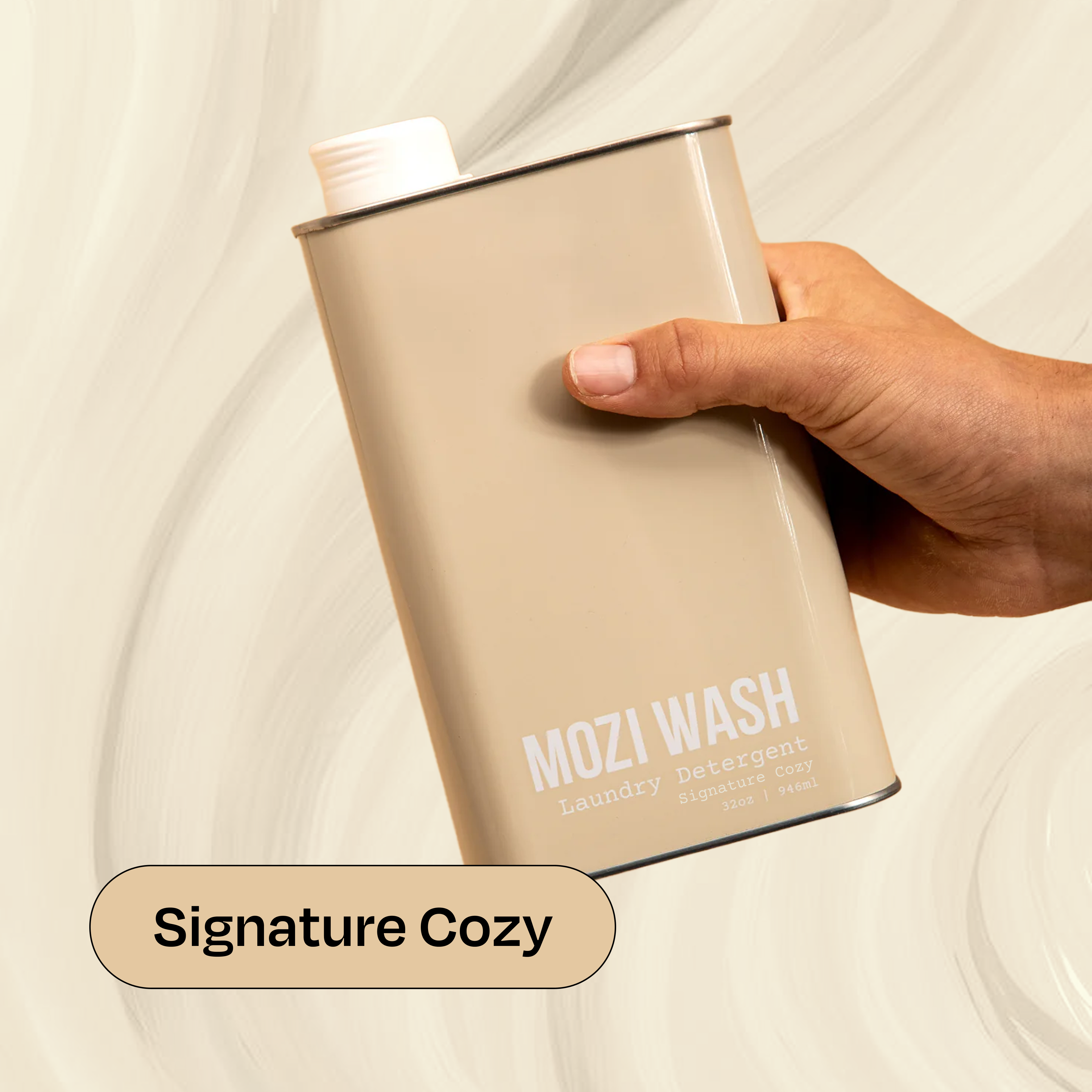
Mozi Wash is designed to clean effectively while being gentle on fabric. It helps lift residue without leaving behind buildup, so clothes feel clean, soft, and easier to maintain over time.
Which means when stains like slime happen, you’re not dealing with layers of residue or stiffness. And that makes the entire cleaning process feel simpler.
Small habits that help (especially with kids)
You don’t need a system for this. But a couple of habits help:
-
Deal with slime when you notice it. Not later.
-
Keep vinegar handy. It is a quick fix.
-
Wash slime-covered clothes separately.
-
Avoid high-heat drying until stains are gone.
That’s really it. It’s not about being perfect. Just being a little prepared.
Final thought
Slime is fun for kids. But for parents, it’s one of those messes that feels harder than it should be. But once you’ve dealt with it a few times, you stop overthinking it.
Because slime removal from clothes isn’t complicated. It just needs the right approach, at the right time.
FAQs about Getting Slime out of Clothes
Can you just wash the slime out?
No. Without treating it first, washing alone doesn’t remove the slime completely. In fact, directly trying to wash it off can stain it further.
What is the easiest way to remove slime from clothes?
The easiest way to remove slime from clothes is to scrape off the top layer. Then, apply vinegar to gently brush off the leftover. Lastly, run a regular wash cycle. That’s usually enough.
How to remove dried slime from clothes?
Place it in a freezer for 15-20 mins. Once it hardens, peel off whatever you can. Then treat the rest with vinegar. Last, wash it as you normally would.
Can you remove slime from clothes after drying?
It’s possible, but much harder. Heat tends to set whatever is left behind.
Does vinegar really work on slime?
Yes. It breaks down the sticky base, which is why it helps lift slime out of fabric.
Why does slime leave a stain?
Some slime leaves stain because of added color or dye. It may happen that the slime comes off, but the color lingers.