Hand washing isn’t just a backup plan when you don’t have access to a machine. It’s often the best way to care for delicate fabrics, preserve garment structure, and extend the life of clothes that don’t respond well to regular wash cycles.
If you’ve ever wondered how to hand-wash clothes properly, not just casually rinse them, this guide breaks it down in a way that actually improves results.
Why hand washing still matters

Machine washing is efficient, but it’s not always gentle. Certain fabrics, like silk, wool, lace, or fine knits, can stretch, shrink, or lose their shape under agitation.
Hand washing gives you:
-
Control over fabric handling
-
Lower mechanical stress on fibers
-
Better preservation of garment shape
-
Targeted cleaning for delicate items
That’s why learning how to hand-wash clothes correctly isn’t just helpful, it’s essential for fabric care.
What makes a good hand-wash detergent?

The detergent you choose matters more than the washing method itself. Many regular detergents are created for deep, heavy-duty cleaning. While effective, they can be too harsh for delicate fabrics and may affect their texture over time. In contrast, a delicate laundry detergent or hand-wash laundry detergent is designed for a gentler approach.
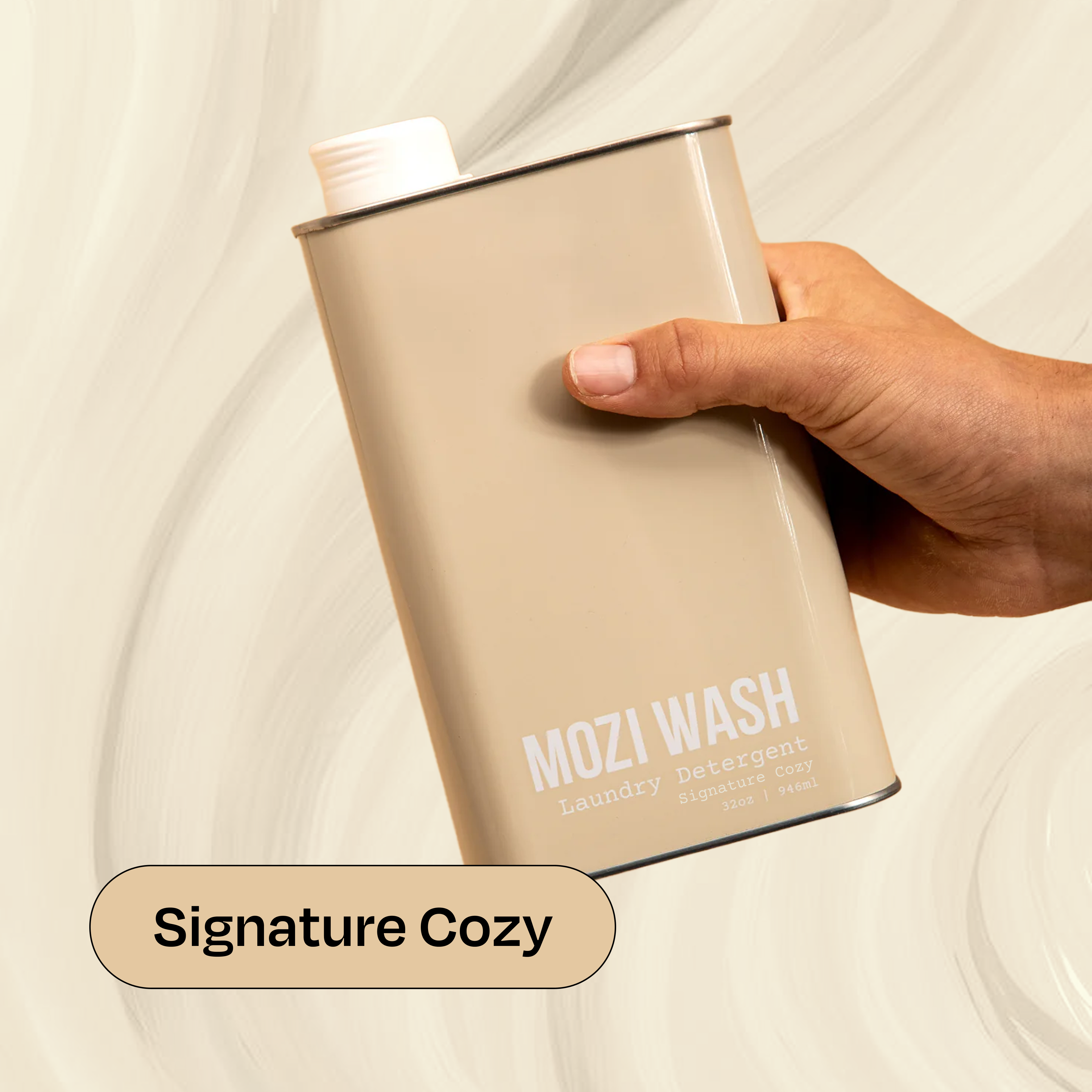
For example, formulations like Mozi Wash focus on:
-
Coconut-derived surfactants that help lift dirt and oils without stressing fibers
-
Enzyme blends such as amylase, protease, and lipase that target different types of stains
-
Softness-supporting ingredients like glycerin that help maintain fabric feel
-
Formulas free from phosphates, parabens, sulfates, and phthalates
Together, these elements allow effective cleaning while being gentle on fabrics, making them well-suited as a mild detergent for hand washing.
How to hand-wash clothes properly
Here’s a method that actually protects fabrics while cleaning effectively:
Step 1. Fill with the right water temperature
Use cool to lukewarm water. Hot water can weaken fibers or cause shrinkage.
Step 2. Add detergent first
Mix a small amount of hand-wash laundry detergent into the water before adding clothes. This prevents concentrated contact with fabric.
Step 3. Submerge and let it sit
Allow garments to soak for 5–10 minutes so dirt loosens naturally.
Step 4. Gently move the fabric
Instead of scrubbing, lightly swirl or press the fabric through water.
Step 5. Rinse thoroughly
Remove all detergent by rinsing in clean water. Residue is one of the main causes of stiffness.
Step 6. Press, don’t twist
Squeeze out water gently. Twisting damages fibers.
Step 7. Dry based on the fabric
Lay flat for knits, hang lightweight fabrics. Avoid heat drying.
Fabric-specific hand washing guide
Different fabrics require slightly different handling. This is where most people go wrong. Here’s the table that will help you understand:
|
Fabric Type |
Water |
Detergent |
Handling method |
Drying |
|
Silk |
Cold |
Mild detergent for hand washing |
No soaking beyond 5 min |
Flat dry |
|
Wool |
Cold |
Delicate laundry detergent |
Press gently, no agitation |
Flat dry |
|
Cotton (lightweight) |
Cold |
Hand wash laundry detergent |
Gentle movement |
Air dry |
|
Lace |
Cold |
Mild detergent |
Minimal handling |
Flat dry |
|
Synthetics |
Cold |
Delicate laundry detergent |
Light agitation allowed |
Hang dry |
How to hand-wash different types of stains
Not all stains should be treated the same way, especially when hand washing delicate clothes. Using the wrong approach can set the stain or damage the fabric.
Here’s how to handle common stains gently:
-
Oil or grease stains: Apply a small amount of detergent directly to the stain, and gently press the fabric before soaking.
-
Sweat or body odor stains: Soak the garment briefly in cool water with a delicate laundry detergent to help break down residue.
-
Food stains (like sauces or coffee): Rinse the stained area under cold running water first, then hand-wash as usual.
-
Makeup or cosmetic stains: Lightly dab the area with diluted detergent, avoiding rubbing to prevent spreading the stain.
Treating stains gently before the full wash helps remove them effectively without stressing the fabric.
Why Mozi Wash works well for hand washing
When you look closely at detergent formulation, you realize hand washing is less about “how” and more about “what you use.” Mozi Wash focuses on a balanced cleaning system. Here are the features that make it stand out in the detergent market:
-
Enzyme-based cleaning system: Breaks down stains at a molecular level instead of relying on harsh chemicals
-
Plant-based surfactants: Lift dirt without over-stripping fabric fibers
-
Softness-supporting ingredients (glycerin): Help fabrics feel smooth after washing
-
Clean formulation approach: Free from harsh additives commonly found in traditional detergents
-
Fragrance design: Uses premium, skin-safe fragrance blends rather than overpowering synthetic scents
Common hand washing mistakes
Hand washing is gentle by nature, but small mistakes can still affect how fabrics look and feel over time. Being mindful of the process can help avoid unnecessary wear.
Some common mistakes to watch out for include:
-
Using too much detergent, which can leave residue and make fabrics feel stiff
-
Rubbing or scrubbing aggressively, especially on delicate materials
-
Soaking garments for too long, which may weaken fibers
-
Wringing clothes to remove water can cause stretching or distortion
-
Not rinsing thoroughly, leaving behind detergent buildup
-
Drying incorrectly, such as hanging heavy garments that may lose shape
A careful approach helps ensure that hand washing remains as gentle and effective as intended.
FAQs on how to hand-wash clothes properly (the right way)
1. Can delicate laundry detergent be used for all hand-washing needs?
Yes. A delicate laundry detergent is designed for gentle cleaning and works well for most fabrics, especially when you want to preserve softness and structure.
2. How is hand-wash laundry detergent different from regular detergent?
A hand-wash laundry detergent uses milder surfactants and lower foam levels, making it easier to rinse and safer for delicate fabrics.
3. How do you prevent color bleeding while hand washing clothes?
Wash similar colors together, use cool water, and avoid soaking garments for too long, especially if they are new or deeply dyed.
4. Why do some clothes feel sticky after hand washing?
This usually happens when the detergent is not rinsed out completely. Using too much detergent can also leave residue on fabric fibers.
5. Can hand-wash laundry detergent be used for wool and knitwear?
Yes. A hand-wash laundry detergent is suitable for wool and knitwear because it cleans gently without damaging fibers or causing excessive stretching.
6. Why do delicate fabrics lose shape after hand washing?
This often happens due to improper handling during drying, such as hanging heavy wet garments instead of laying them flat.