It usually happens in seconds. A conversation gets animated, someone reaches across the table, a glass tips slightly — and suddenly there’s red wine spreading across a shirt, dress, tablecloth, or your favorite sweater.
For a moment, everyone reacts the same way: panic first, stain removal second.
Someone reaches for tissues. Another person suggests hot water. Someone else says salt. In the middle of all the advice, the stain quietly starts settling deeper into the fabric.
The truth is, wine stains are less about urgency and more about technique. Knowing how to remove wine stains properly can make the difference between saving the fabric and setting the stain permanently.
Why do wine stains set so quickly

Wine contains natural dyes called tannins. These pigments attach easily to fabric fibers, especially on absorbent materials like cotton, linen, rayon, and wool.
As the stain dries:
-
The liquid evaporates
-
The pigment becomes more concentrated
-
The fibers begin trapping the color
This is why wine stains often look worse a few hours later than they did initially.
How to get wine out of clothes immediately after a wine spill

The first goal is not “cleaning.” The first goal is containment.
Here are the steps that will help you out in tackling these kinds of situations.
-
Absorb the liquid first: Use a dry towel, napkin, or cloth to press against the stain gently. The more liquid you remove early, the less pigment remains inside the fibers.
-
Use salt while the stain is fresh: Salt absorbs moisture surprisingly well, which is why it’s commonly used during early red wine stain removal. Cover the stain fully and allow it to sit briefly before brushing it away.
-
Rinse with cold water: Cold water slows how quickly wine pigments attach to fibers. Warm water may seem like a stronger cleaner, but it often causes the stain to settle faster instead.
Why cold water matters more than people realize
One of the most important parts of red wine stain removal is temperature.
Wine contains tannins and color compounds that react strongly to heat. Warm water can push those pigments deeper into the fibers, making the stain harder to lift later.
Cold water works differently:
-
It slows how quickly the stain sets
-
It helps dilute the pigment
-
It keeps fibers from gripping the stain too tightly
That’s why cold water is usually the safest first response when learning how to remove wine stains properly.
Why do wine stains behave differently on different fabrics
A wine stain on denim behaves very differently from one on silk or linen. That’s because fabrics absorb liquid at different speeds.
-
Cotton and linen: These fabrics absorb wine quickly because they are highly porous.
-
Silk: Wine spreads fast across silk fibers, but aggressive cleaning can damage the surface.
-
Wool and knitwear: These fabrics trap liquid between fibers, making stains harder to rinse out completely.
-
Synthetic fabrics: Some synthetic fabrics resist absorption initially but may hold onto pigment after drying.
Understanding the fabric changes how you approach wine stain remover methods.
How to remove dried wine stains from clothes
Dried stains need a different strategy. Once the wine fully dries, the pigment settles deeper into the fibers and becomes harder to lift quickly. Instead of scrubbing harder, focus on softening the stain again.
A practical approach:
-
Re-wet the stained area with cool water
-
Use a delicate laundry detergent or enzyme-based cleaner directly on the stained area.
-
Allow time for the stain to loosen gradually
-
Wash gently before checking the fabric again
With dried stains, patience usually produces better results than force.
Why Mozi Wash’s enzyme formula is a safe solution
Wine stains are difficult because they don’t leave behind just one type of residue. Along with visible pigment, wine also contains sugars and organic compounds that can stay trapped inside the fabric even after washing. This is why some stains seem to disappear temporarily but reappear once the clothing dries.
Regular detergents often clean only the surface of the stain. However, enzyme-based formulas work differently. They help break down leftover stain particles into smaller components that rinse away more effectively. In many cases, enzyme pre-treatment helps remove wine stains more effectively before washing begins.
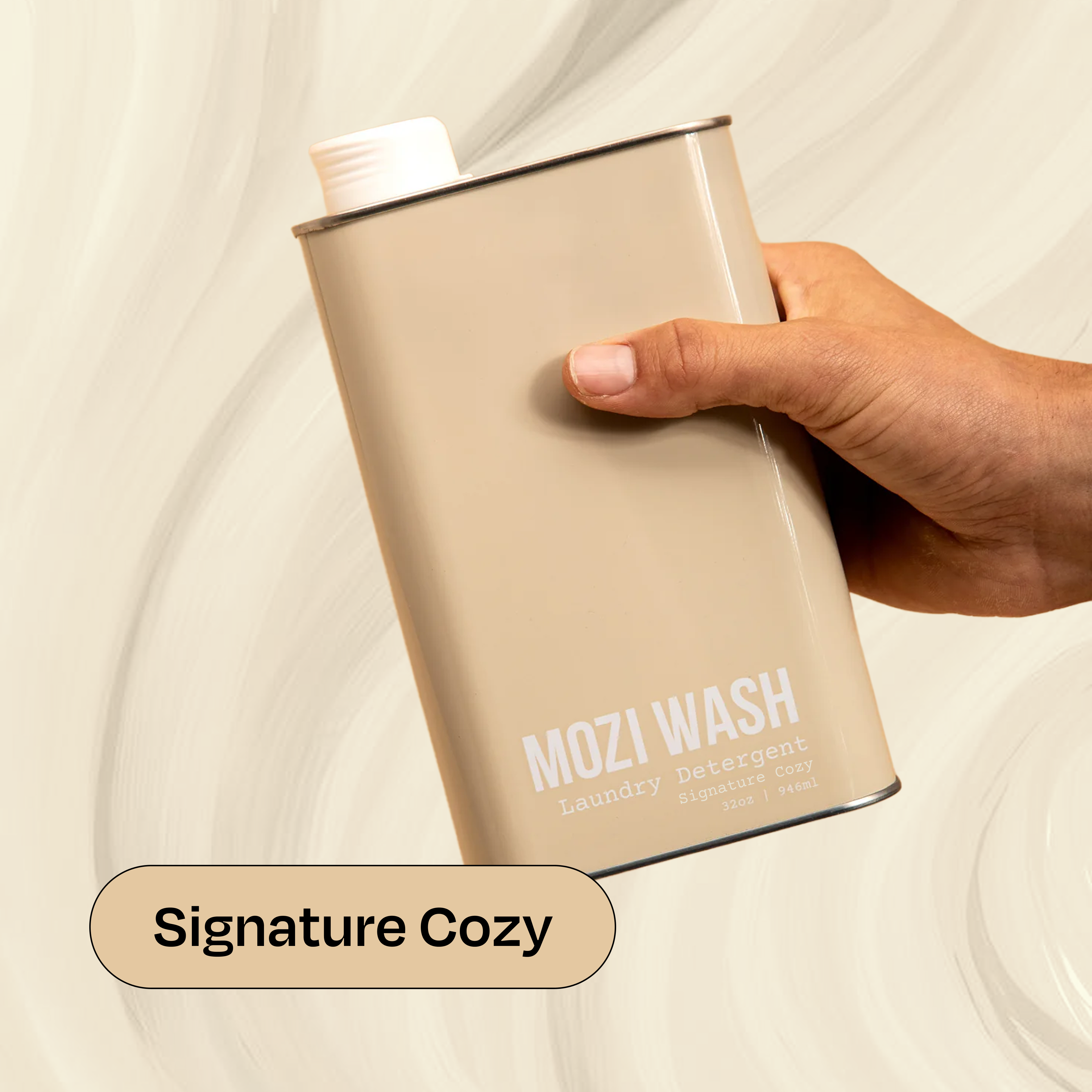
This is where Mozi Wash takes a gentler and more fabric-conscious approach. Mozi Wash’s enzyme formula works as a safer solution for stain removal as it focuses on gradual stain breakdown instead of harsh cleaning.
Some key benefits include:
-
Helps break down wine pigments and organic residue more effectively
-
Supports gentle cleaning for rigid stains
-
Reduces the need for aggressive scrubbing
-
Uses plant-based enzymes for targeted stain removal
-
Includes coconut-derived cleansers that are gentler on fabrics
-
Avoids phosphates, parabens, sulfates, and phthalates
-
Helps maintain fabric softness after repeated washing
FAQs on how to remove wine stains from clothes (fast + easy methods)
1. Can delicate laundry detergent help remove wine stains from silk?
Yes. A delicate laundry detergent helps clean silk more gently while reducing the risk of rough texture or fiber damage during stain treatment.
2. Why does scrubbing make wine stains worse?
Scrubbing spreads pigment outward and pushes the stain deeper into the fabric instead of lifting it away.
3. Can delicate laundry detergent help reduce stiffness after cleaning?
Yes. A delicate laundry detergent usually rinses more cleanly, which helps fabrics maintain a softer feel after washing.
4. Why do some wine stains leave faint discoloration after washing?
Small pigment particles can remain trapped inside the fibers even after most of the visible stain disappears.
5. Can sparkling water help fresh wine stains temporarily?
Yes. Sparkling water may help dilute fresh wine spills before proper stain treatment is possible.
6. Why should wine stains be treated before they dry completely?
Once the liquid evaporates, pigments settle deeper into the fibers, making the stain harder to remove later.
7. Can white wine stain clothes too?
Yes. White wine may leave sugar residue or light discoloration, especially on delicate or light-colored fabrics.