After saving up for weeks, Amy finally bought the white cocktail dress she’d been eyeing for months. She wore it twice, once to a friend’s baby shower and once for her daughter’s school PT meet. But a few weeks later, when she pulled it out of her wardrobe again, her heart sank. Two large yellow stains had appeared around the underarms.
Like most people, her first instinct was to reach for bleach. But yellow stains on white clothes aren’t always that simple and rarely look fixable. Some come from sweat and deodorant buildup, others from storage or fabric ageing, and harsh bleach can sometimes make things worse. It can weaken the fabric while barely solving the actual stain.
The good news is that most yellow stains can be removed with gentler, fabric-safe methods once you know what caused them. Read on as we discuss a gentler laundry routine to bring whites back to life. We’ll also focus on the three most common types of yellow stains and how to tackle each one effectively.
Understanding yellow stains on white clothes

White clothes have a way of looking effortlessly clean and fresh until yellow stains appear. The tricky part? Not all yellow stains are the same. Let’s understand the common yellow stains and their reasons, and learn how to remove yellow stains from white clothes without hurting the fabric.
-
Yellow stains from sweat and deodorant
If you’ve noticed yellow stains on white shirts' armpits, sweat alone usually isn’t the only culprit. This typically happens when sweat mixes with aluminum compounds found in many antiperspirants, such as deodorants, body oils, and detergent residue. Over time, this combination reacts with the fabric and leaves behind yellowish or hardened patches.
How to remove yellow stains on armpits?
Here’s a simple method that works well for most cotton and everyday fabrics:
-
Step 1
Mix 2 tablespoons of baking soda, 1 tablespoon of dish soap, and a little warm water
-
Step 2
Apply the paste directly onto the yellow area. Leave it for about 30 minutes so the ingredients can loosen the buildup.
-
Step 3:
Wash using a fabric-safe detergent along with an oxygen-activated laundry booster designed for stain removal.
-
Step 4:
Air-dry the fabric. Know that heat can permanently set yellow stains; avoid high heat until the stain is completely gone.
-
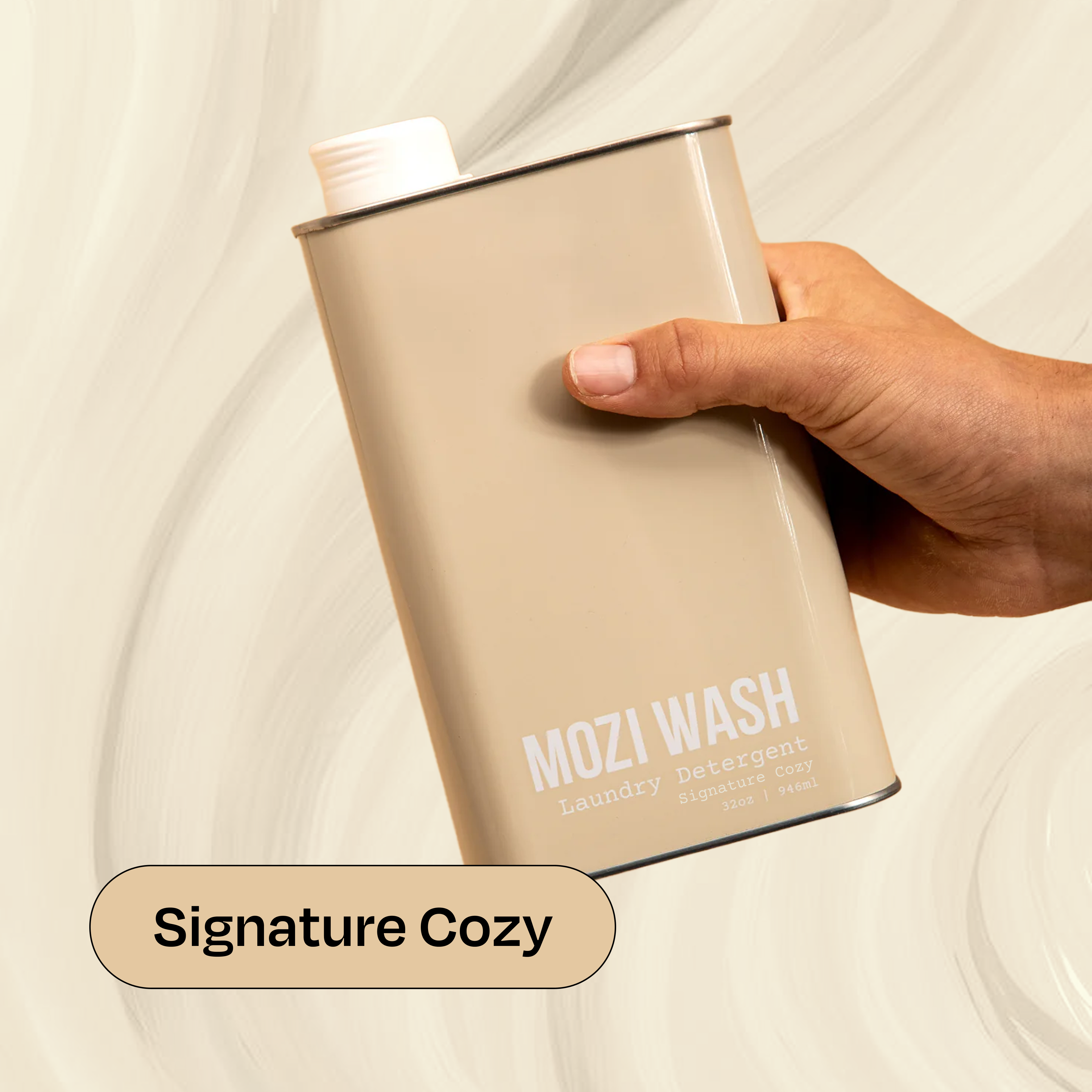
Try Mozi Wash — cleaner, fresher, smarter.Shop Now
Yellowing from storage
Yes! Poor storage is a quick way to turn your whites yellow. That’s a big mistake Amy also made. Yellowing because of storage can happen when:
-
Residual detergent gets left in the fabric
-
Body oils don’t get fully removed
-
There’s humidity and poor airflow
-
Plastic covers trap moisture.
Remember, without proper airflow, the fabrics can't "breathe." Plus, when white clothes just sit around unused for months at a time, natural oxidation kicks in and leaves them looking dull and discolored.
How to whiten yellowed clothes?
For age-yellowed whites, repeated gentle cleaning works better than one harsh wash.
-
Soak the garment overnight in water with a laundry booster.
-
Wash using a mild detergent.
-
Dry naturally in indirect sunlight.
Sunlight can help brighten whites naturally, but too much harsh sun exposure may weaken delicate fabrics.
Here’s a DIY alternative that can come in handy. Add white vinegar to soak your clothes for 15 to 20 minutes, then follow with a baking soda wash cycle. While this may not completely restore heavily yellowed fabric, it can noticeably brighten lightly discolored whites.
Tips to prevent yellowing from storage
Next time you put your whites away, keep the following things in mind:
-
Before storing white clothes, wash them thoroughly, and make sure they are fully dry
-
Avoid plastic storage bags
-
Store in breathable cotton covers
Good storage habits make a huge difference in preventing future yellowing.
-
Age Yellowing in White Fabrics
The third prominent reason white clothes turn yellow is that the fabric is ageing. This is especially common in:
-
Older cotton garments
-
Bedsheets
-
Kid’s clothes
-
Vintage fabrics.
Over time, fibers oxidize naturally and lose their brightness. Hard water minerals and detergent buildup can speed up the process. Unlike fresh stains, age yellowing affects the entire garment rather than one specific area.
Yellow stain removal for aged clothes
Here’s a deep clean method that you can try:
-
Soak the garment overnight in warm water with a laundry booster.
-
Wash using a mild detergent.
-
Dry naturally in indirect sunlight.
Remember that while sunlight can help brighten whites naturally, too much sun exposure may weaken delicate fabrics.
Why not use bleach to whiten yellowed clothes?

When it comes to whitening, bleach or sodium hypochlorite has long been a common part of household laundry care. This is often because it disinfects fabrics and lifts stubborn stains. However, what many people don’t realize is that frequent bleach use can come with several downsides for both personal health and the environment.
What seems like a simple laundry solution can sometimes create problems for both your health and your clothes. Here’s why:
-
The harsh chemicals in bleach can irritate the skin and eyes.
-
Inhaling bleach fumes may affect the respiratory system, especially in poorly ventilated spaces.
-
Using too much bleach can weaken fabric fibers over time.
-
Clothes exposed to excessive bleach may lose softness and wear out faster.
-
Frequent bleach use can also have negative effects on the environment due to the chemicals released into water systems.
What is better, DIY remedies or laundry boosters?

Home remedies are popular because they’re simple and affordable. Ingredients like baking soda, vinegar, and lemon juice can help with mild stains and maintenance washes. Stubborn yellow stains often need something stronger, especially if the stain is old and multiple wash cycles have already failed.
Here’s a quick comparison:
|
DIY Remedies |
Laundry Boosters |
|
Affordable |
More effective on deep stains |
|
Good for mild yellowing |
Designed for fabric-safe stain removal |
|
Easily available |
Better for repeated whitening |
|
Results may vary |
More consistent performance |
Give your white a deeper clean
If regular detergent isn’t fully removing sweat, oil, and residue buildup, adding a laundry booster can help restore brightness without relying on harsh bleach.
Mozi Wash Deep Clean Booster is designed to tackle stubborn buildup, dullness, and yellow stains while being gentler on fabrics than traditional chlorine bleach-based products.
FAQs about yellow stain removal from white clothes
-
How often should I wash white clothes?
Most whites should be washed after every 1 to 2 wears, to prevent body oils, sweat, and deodorant from causing permanent yellowing. However, underwear, gym clothes, and socks may need a wash every time you wear them.
-
Is it safe to use bleach to remove yellow stains from white clothes?
Mostly no. It is recommended that you do not use standard chlorine bleach on sweat or protein-based yellow stains.
-
What causes yellow stains on white shirts' armpits?
These stains happen when sweat mixes with deodorant ingredients, body oils, and detergent residue over time.
-
How to remove yellow stains from white clothes naturally?
You can use baking soda, vinegar, or lemon juice for mild stains. For deeper yellowing, laundry boosters are usually more effective and fabric-safe.
-
Can sunlight whiten clothes naturally?
Mild sunlight can help brighten whites naturally, but excessive sun exposure may weaken delicate fabrics over time.