Most people sort laundry for one reason only: avoid color transfer. Dark clothes go together. Whites go separately. Done. But proper laundry sorting affects much more than color.
It changes:
-
How fabrics wear over time
-
How well does the detergent rinse
-
How long do clothes stay fresh
-
How scent holds after washing
-
How much residue stays trapped in fibers
That last part matters more than most people realize.
When fabrics with completely different washing needs are mixed, the result is usually uneven cleaning. Some items trap more detergent. Some hold onto odor. Others lose softness or fragrance faster after drying.
That’s why learning how to sort laundry properly is not just about protecting clothes — it’s also one of the easiest ways to improve how laundry feels and smells after every wash.
Why sorting laundry matters more than people think

A mixed laundry load may look convenient, but different fabrics behave differently in the washer. Towels absorb more water. Activewear traps sweat oils. Delicates need lower agitation. Dark clothes release dye. Heavy fabrics rub against lighter ones.
When everything is washed together, the result can be:
-
Faded colors
-
Lint transfer
-
Rougher fabrics
-
Trapped odor
-
Uneven scent
-
Detergent residue
-
Faster fabric wear
A good laundry sorting guide helps prevent these problems before the wash even starts.
Why does sorting also change how laundry smells

Scent lasts longer when fabrics are clean at the fiber level.
If damp towels, sweaty leggings, and everyday shirts are washed together, the detergent has to work against different types of buildup in the same cycle. The result may smell fresh at first, but the scent can fade quickly once the hidden odor returns.
Sorting helps because:
-
Sweat-heavy fabrics get separate treatment
-
Towels rinse without coating lighter clothes in lint
-
Delicates avoid trapped detergent residue
-
Bedding gets enough space to wash evenly
-
Damp items do not spread a musty odor
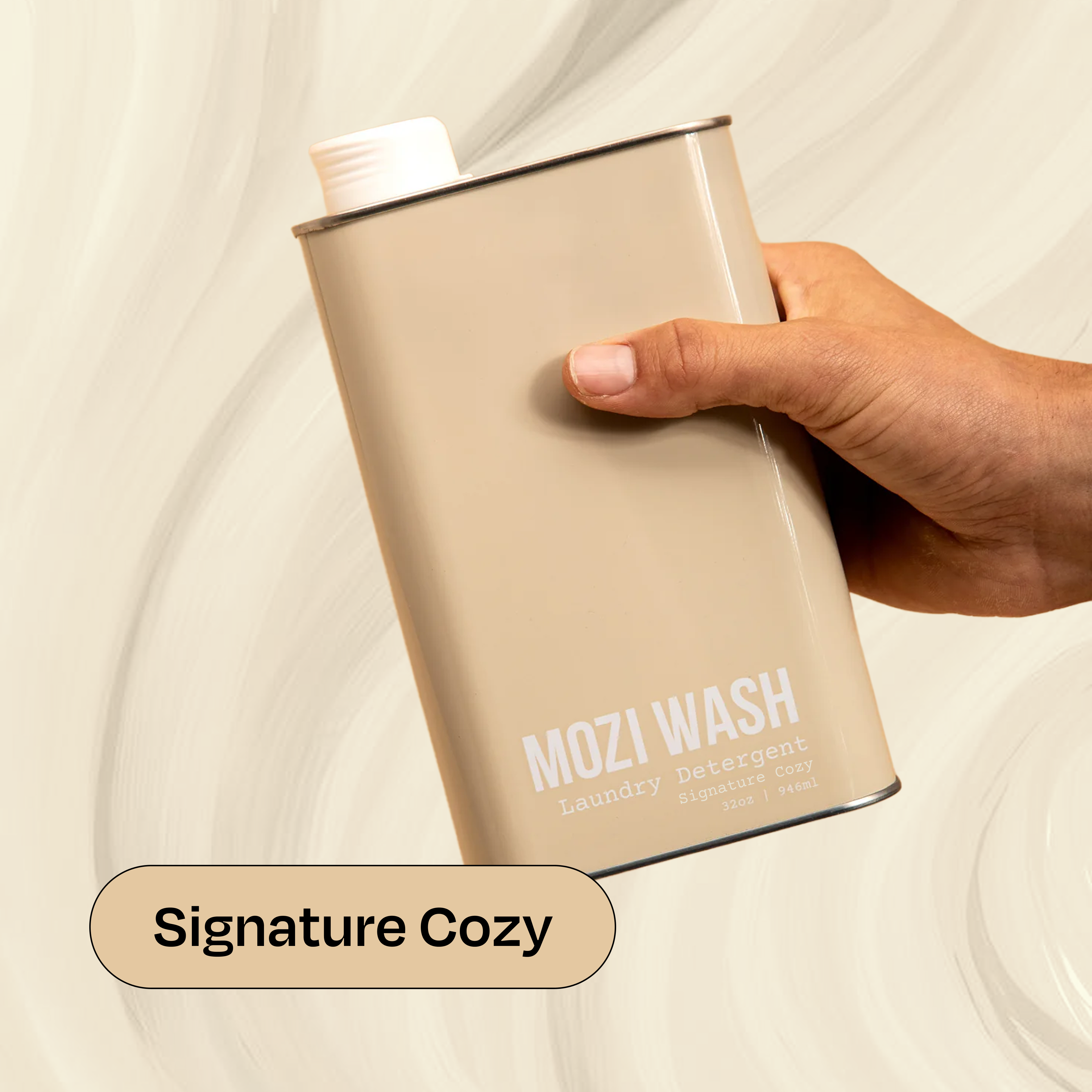
This is especially useful with Mozi Wash, because its scent-forward formulas perform best when fabrics are sorted by odor level, fabric weight, and care needs.
Laundry sorting guide: The smarter way to separate loads
|
Sort by |
What to separate |
Why it matters |
|
Color |
Whites, lights, darks, bright colors |
Prevents dye transfer and dullness |
|
Fabric weight |
Towels, denim, hoodies, lightweight clothes |
Reduces friction and fabric damage |
|
Odor level |
Gym clothes, damp towels, pet items, kitchen cloths |
Stops odor from spreading |
|
Fabric type |
Cotton, synthetics, lace, lightweight fabrics, special-care garments |
Helps choose the right cycle |
|
Care label |
Hand wash, delicate, cold wash, dry flat |
Prevents shrinking and shape loss |
This method makes doing laundry correctly easier because you are not guessing which cycle every item needs.
How to sort laundry by water temperature
Sorting laundry is not only about color and fabric type. Water temperature also matters.
|
Water temperature |
Best for |
Avoid using on |
|
Cold water |
Darks, delicates, activewear, lightly worn clothes |
Heavily soiled towels if odor is strong |
|
Warm water |
Every day cotton, sheets, socks, and moderately soiled clothes |
Delicates, lace, lightweight fabrics, bright colors |
|
Hot water |
White towels, heavily soiled cotton, and some bedding |
Darks, activewear, delicate fabrics |
Cold water helps protect color and fabric shape, while warmer water can help with heavier soil when the care label allows it.
How sorting helps detergent work better
Detergent needs enough space, water, and fabric movement to clean properly. When towels, jeans, delicates, and activewear are washed together, some items absorb more detergent while others do not rinse fully.
Sorting similar fabrics together helps detergent spread more evenly across the load. It also allows each fabric type to release dirt, sweat, lint, and residue more effectively.
This is especially important when using a delicate laundry detergent or scent-forward detergent, as the formula performs best when the load is not overloaded with mixed fabric problems.
How sorting protects delicate fabrics from damage
Delicate fabrics often get damaged because they are washed with heavier items. Zippers, denim seams, towel texture, and hoodie drawstrings can rub against lighter fabrics during the wash cycle.
To protect delicate items:
-
Use a mesh laundry bag
-
Fasten hooks and zippers
-
Wash with similar lightweight fabrics
-
Choose a gentle cycle
-
Avoid washing with towels or jeans
A hand-wash laundry detergent is best for items that need extra care outside the machine.
How Mozi Wash fits into sorted laundry
Mozi Wash works best when the load is not overloaded and contains no mixed fabrics.
Its formulas are designed to help remove everyday buildup while supporting a fresh, long-lasting scent. Sorting helps the detergent work more evenly because each load has similar fabric needs.
Here is how to pair sorting with Mozi Wash:
|
Load type |
Best sorting habit |
Why it helps |
|
Activewear |
Wash separately from towels and cotton |
Helps reduce sweat odor transfer |
|
Towels |
Wash with towels only |
Keeps lint away from clothes |
|
Bedding |
Wash in smaller loads |
Allows better movement and rinsing |
|
Delicates |
Use a gentle cycle or hand wash |
Protects shape and texture |
|
Darks |
Turn inside out |
Helps reduce fading and surface wear |
When clothes are sorted well, the scent smells cleaner because it is not competing with trapped sweat, damp towel odor, or lint-heavy residue.
Common laundry sorting mistakes
Here are the common laundry sorting that you should avoid for best wash results.
-
Washing towels with clothes: Towels shed lint and create friction. This can make clothes feel rough and reduce scent clarity.
-
Mixing activewear with cotton towels: Cotton towels can leave lint on synthetic gym clothes, while activewear can transfer sweat odor into the load.
-
Sorting only by color: Color matters, but fabric weight, odor level, and care labels matter too.
-
Leaving damp items in the hamper: Damp towels and sweaty clothes can develop a musty odor before laundry day. Let them dry before placing them in a closed basket.
-
Overfilling the washer: Even sorted laundry will not clean properly if there is no room for water, detergent, and movement.
FAQs on how to sort laundry properly
1. How to sort laundry when clothes have multiple colors?
Sort multicolor clothes by the darkest or boldest color on the garment. If the item is new, wash it separately first to check for dye bleeding.
2. Does doing laundry correctly help detergent scent last longer?
Yes. Doing laundry correctly helps prevent odor transfer, improves rinsing, and allows detergent scent to settle more evenly on fabrics.
3. Can delicate laundry detergent be used for kids’ clothes?
Yes. A delicate laundry detergent can be useful for kids’ clothes because it supports gentler washing and helps avoid harsh fabric treatment.
4. When should hand-wash laundry detergent be used?
Use hand-wash laundry detergent for lace, lingerie, embroidered pieces, or any special-care garment that may stretch or lose shape in a machine cycle.
5. Why do clothes smell musty even after sorting?
Musty odor can come from damp hampers, an overloaded washer, too much detergent, or clothes left sitting in the machine after the cycle ends.
6. What is the best laundry sorting guide for towels and clothes?
The safest rule is to wash towels separately from clothes. Towels shed lint, absorb more detergent, and create more friction, which can make clothes feel rough, or less fresh, after washing.
7. Should gym clothes be sorted separately from regular clothes?
Yes. Gym clothes should be washed separately because synthetic activewear traps sweat oils and odor more tightly than cotton. Washing them with regular clothes may spread odor, or reduce freshness, across the load.