A few years ago, most people associated plant-based laundry detergent with one big compromise: “it’s gentler, but it probably won’t clean very well.”
That assumption came from older “natural” detergents that struggled with greasy stains, odors, towels, and heavily used laundry. Clothes sometimes looked clean at first, but slowly developed buildup, stiffness, or lingering smells over time.
But modern laundry formulas have changed significantly.
Today, many natural laundry detergent brands use advanced surfactants, enzyme systems, and cleaner-rinsing ingredients that work very differently from older soap-based formulas.
The bigger question now is not whether plant-based detergents work at all. It’s whether they clean effectively without leaving fabrics heavy, coated, or overloaded with residue afterward.
What makes a detergent “plant-based”?

A plant-based laundry detergent usually uses surfactants and cleansers derived partly from plant sources instead of relying entirely on petroleum-based ingredients.
One common example is coconut-derived surfactants.
These ingredients help:
-
Lift oils from fabric
-
Break apart dirt particles
-
Improve rinsing
-
Reduce buildup inside fibers
Modern formulas often combine these plant-derived cleansers with enzymes to improve stain removal and odor control.
That combination is one reason many newer clean laundry detergent products perform much closer to conventional detergents than older natural formulas did.
Why older natural detergents struggled to clean properly

Early “green” detergents often depended heavily on soap-based cleaning.
The problem is that soap alone does not always handle:
-
Grease
-
Body oils
-
Protein stains
-
Hard water buildup
-
Thick fabrics like towels
As a result, many people felt their laundry became:
-
Stiff
-
Dingy
-
Less absorbent
-
Slightly sour-smelling over time
This created the idea that non-toxic laundry detergent products simply were not strong enough for real household laundry.
Modern formulas work differently because the science behind surfactants and enzymes has improved significantly.
How plant-based detergents clean fabrics now

Most modern detergents clean through two systems working together:
Surfactants
Surfactants help separate oils and dirt from fabric fibers so they can rinse away with water.
Plant-derived surfactants now perform much closer to petroleum-based surfactants than they used to.
Enzymes
Enzymes target specific stain types directly.
For example:
-
Protease breaks down protein stains
-
Lipase targets grease and oils
-
Amylase helps remove starch residue
This allows many biodegradable laundry detergent formulas to clean effectively without relying on harsher ingredients or excessive fragrance.
Why people are moving away from heavy laundry formulas

Many households are no longer just looking for stain removal.
They also want fabrics to:
-
Feel softer naturally
-
Rinse cleaner
-
Stay breathable
-
Hold less buildup over time
That’s one reason that interest in eco-friendly laundry soap and cleaner-rinsing detergents has grown so quickly.
People are paying more attention to how fabric feels after repeated washing, not just how it smells immediately after one cycle.
The hidden downside of fabric softeners
Fabric softeners were originally designed to coat fibers and reduce static.
And while they can make fabrics feel smoother temporarily, repeated use may also:
-
Reduce towel absorbency
-
Leave buildup inside fibers
-
Make activewear hold odor more easily
-
Affect breathability over time
This is especially noticeable on:
-
Towels
-
Bedding
-
Workout clothing
-
Children’s fabrics
Many households switching to natural laundry detergent formulas also begin reducing fabric softener because cleaner-rinsing detergents often leave fabrics feeling softer naturally.
Natural ways people reduce softener use
Instead of relying heavily on softeners, many people now focus on:
-
Balanced detergent amounts
-
Cleaner-rinsing formulas
-
Lower drying heat
-
Wool dryer balls
-
Proper rinsing cycles
The goal is to reduce buildup rather than further coat the fabric.
Why cleaner-rinsing detergents can make fabrics feel softer
Fabric softness is not always about adding more coating.
Sometimes fabrics feel softer simply because less residue remains trapped inside the fibers after washing.
This is one reason many households searching for the best non-toxic laundry detergent are also looking for formulas that:
-
Rinse more cleanly
-
Leave less buildup
-
Feel lighter on towels and bedding
-
Maintain absorbency longer
Cleaner fabric usually feels more breathable over time.
How Mozi Wash approaches plant-based laundry care
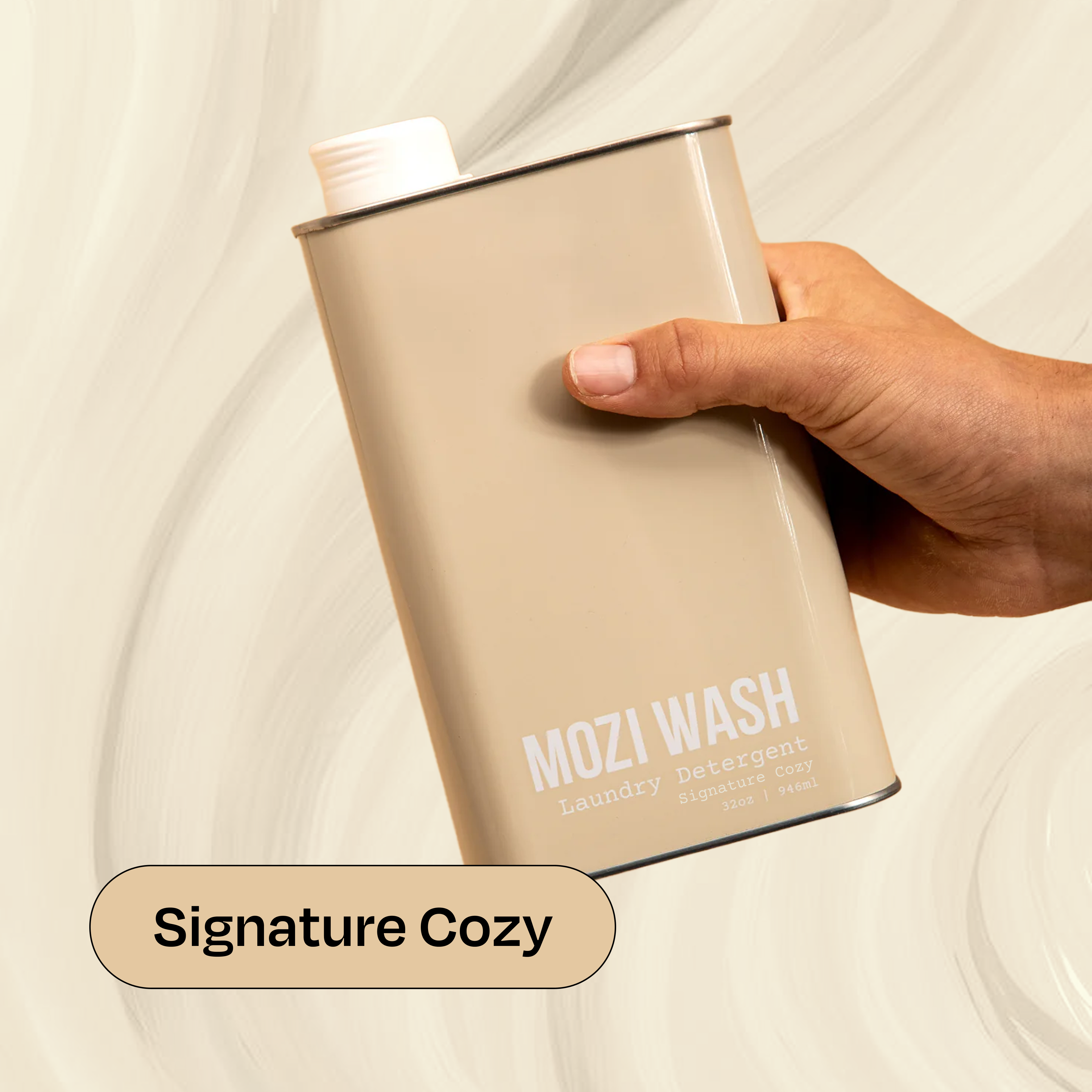
Mozi Wash combines coconut-derived cleansers with plant-based enzymes designed to clean fabrics thoroughly while reducing heavy residue buildup.
Their formulas avoid:
-
Phosphates
-
Sulfates
-
Parabens
-
Phthalates
This balance helps support:
-
Oil and stain removal
-
Cleaner-rinsing performance
-
Long-term fabric softness
-
Reduced heaviness on towels and bedding
Since the formulas rinse more cleanly, many households find they rely less on fabric softener over time.
This makes the brand especially relevant for people looking for:
-
A clean laundry detergent with modern cleaning performance
-
A best non-toxic laundry detergent alternative for everyday fabrics
FAQs on plant-based laundry detergent: Does it actually work?
1. Can non-toxic laundry detergent remove grease stains properly?
Yes. Many modern non-toxic laundry detergent formulas use enzymes like lipase to break down oils and grease more effectively than older natural formulas.
2. Can plant-based laundry detergent work well for kids’ clothes?
Yes. Many households prefer plant-based laundry detergent for kids' clothes because cleaner-rinsing formulas may leave less buildup on fabrics that stay close to sensitive skin.
3. Why do synthetic fabrics react differently to detergents than cotton?
Synthetic fabrics tend to trap body oils and detergent residue more tightly, which can make odor and buildup harder to remove over time.
4. Can hormone-free laundry detergent still remove strong odors?
Yes. A hormone-free laundry detergent removes odor effectively by targeting the oils and residue that cause the smell rather than masking it heavily with fragrance.
5. Can eco-friendly laundry soap help reduce static buildup in clothes?
Cleaner-rinsing eco-friendly laundry soap formulas may help fabrics feel lighter and less coated, which can sometimes reduce static caused by heavy residue.
6. Why do some detergents create more foam than others?
More foam does not always mean better cleaning. Some detergents are formulated to create heavier suds, while cleaner-rinsing formulas are designed to wash away more easily with less residue left behind.
7. Can hard water affect how well plant-based detergents work?
Yes. Hard water minerals can interfere with detergent performance, which is why many modern plant-based laundry detergent formulas include ingredients designed to improve rinsing and reduce mineral buildup.
8. Why do some fabrics feel rough after air drying?
Fabrics can stiffen slightly when detergent residue, hard water minerals, or trapped buildup remain inside the fibers after washing.