Some clothes feel softer than the rest of your closet.
A viscose dress that moves easily. A Tencel shirt that feels cool on the skin. A modal sleep set that stays comfortable through repeated wear.
These fabrics are loved for their smooth texture, light feel, and easy drape. But they also need more thoughtful laundry care than regular cotton basics.
Hot water, rough spinning, heavy loads, and too much detergent can make them shrink, stretch, wrinkle, pill, or feel less soft over time.
The good news? You can wash viscose, Tencel, and modal at home with delicate laundry detergent - when the care label allows it. You just need a gentler routine.
Why your softest clothes need a softer wash routine
Viscose, Tencel, and modal are often used in dresses, blouses, sleepwear, underwear, soft tees, bedding, and loungewear.
They are made from cellulose-based fibers, which gives them their smooth feel and breathable finish. But these fabrics can become more delicate when wet.
That means they may be more likely to:
-
Stretch out of shape
-
Shrink with heat
-
Wrinkle easily
-
Pill from friction
-
Feel stiff from detergent residue
-
Lose their smooth drape
This is why a delicate laundry detergent is helpful for these fabrics. They need cleaning that lifts everyday buildup without making the fabric feel heavy or coated.
The fabric rule: less heat, less friction, more care
The easiest way to protect soft fabrics is to reduce stress during washing.
Use:
-
Cold or cool water
-
Gentle wash cycles
-
Smaller loads
-
Lower spin speeds
-
Mild detergent
-
Careful drying
These fabrics do not need aggressive cleaning. They need enough movement to remove body oils, light sweat, and daily buildup without pulling the fibers out of shape.
|
Fabric |
Best water temperature |
Best wash method |
Best drying method |
|
Viscose |
Cold |
Hand wash or delicate cycle |
Lay flat or hang carefully |
|
Tencel |
Cold or cool |
Gentle cycle |
Air dry when possible |
|
Modal |
Cold |
Gentle or light normal cycle |
Air dry or low heat if allowed |
Always check the care label first. Some garments may have trims, dyes, linings, or blends that require special care.
How to wash viscose without shrinking, stretching, or stiffening it

If you are wondering how to wash viscose, start with one rule: avoid rough handling.
Viscose can become weaker when wet, so twisting, scrubbing, or high-speed spinning can affect its shape.
Best method for washable viscose
-
Fill a basin with cold water.
-
Add a small amount of hand-wash laundry detergent.
-
Turn the garment inside out.
-
Gently move it through the water.
-
Let it soak briefly.
-
Rinse with cool water.
-
Press out water using a clean towel.
-
Reshape while damp.
-
Lay flat or hang carefully to dry.
Do not wring viscose. Pressing is safer than twisting because it helps protect the garment’s shape.
If the care label allows machine washing, use a mesh bag, cold water, and the delicate cycle.
Washing Tencel: How to keep the cool, smooth feel intact

Washing Tencel is usually simple, but it still needs a low-stress wash.
Tencel is known for feeling smooth, cool, and breathable. However, heat, overcrowding, and rough fabric mixing can affect its finish.
Best method for Tencel
-
Turn garments inside out
-
Wash in cold or cool water
-
Use a gentle cycle
-
Wash with similar lightweight fabrics
-
Avoid towels, denim, and heavy items
-
Remove from the washer quickly
-
Smooth wrinkles while damp
-
Air dry when possible
If ironing is allowed, use low heat and iron inside out.
Modal fabric care: How to protect softness through repeat washes
Modal is often used for everyday comfort pieces like pajamas, underwear, soft tees, loungewear, kids’ clothes, and bedding.
Because these items are worn often, modal fabric care is about protecting softness over time.
Best method for modal
-
Wash in cold water
-
Turn garments inside out
-
Use a gentle or light normal cycle
-
Avoid overloading the washer
-
Wash with similar soft fabrics
-
Keep away from rough towels and denim
-
Air dry when possible
-
Use low dryer heat only if the label allows
Modal is usually more durable than viscose, but it can still pill or lose softness if washed with rough fabrics.
The laundry habits that quietly damage soft fabrics
Soft fabrics are often damaged by small habits repeated over time.
-
Using hot water: Heat can increase shrinkage, fading, and fiber stress.
-
Washing with rough fabrics: Towels, denim, zippers, and heavy garments can create friction that leads to pilling or surface wear.
-
Overloading the washer: A crowded drum prevents proper movement and rinsing.
-
Using too much detergent: Excess detergent can stay trapped in fibers and make soft fabrics feel stiff.
-
Choosing a heavy spin cycle: Fast spinning can pull lightweight garments out of shape.
-
Leaving clothes wet in the washer: Damp fabric can wrinkle deeply and develop an odor if left sitting too long.
Why detergent residue can ruin the feel of soft fabrics
Soft fabrics show buildup faster than heavier fabrics. When detergent does not rinse out fully, viscose, Tencel, and modal may start to feel different after drying.
Residue can make them:
-
Feel less smooth
-
Lose drape
-
Wrinkle more easily
-
Hold odor faster
-
Look dull
-
Feel less breathable
For these fabrics, using a smaller amount of detergent is often better than using more. A cleaner-rinsing formula can help maintain the soft feel without leaving a coated finish.
Why Mozi Wash fits delicate fabric care routines
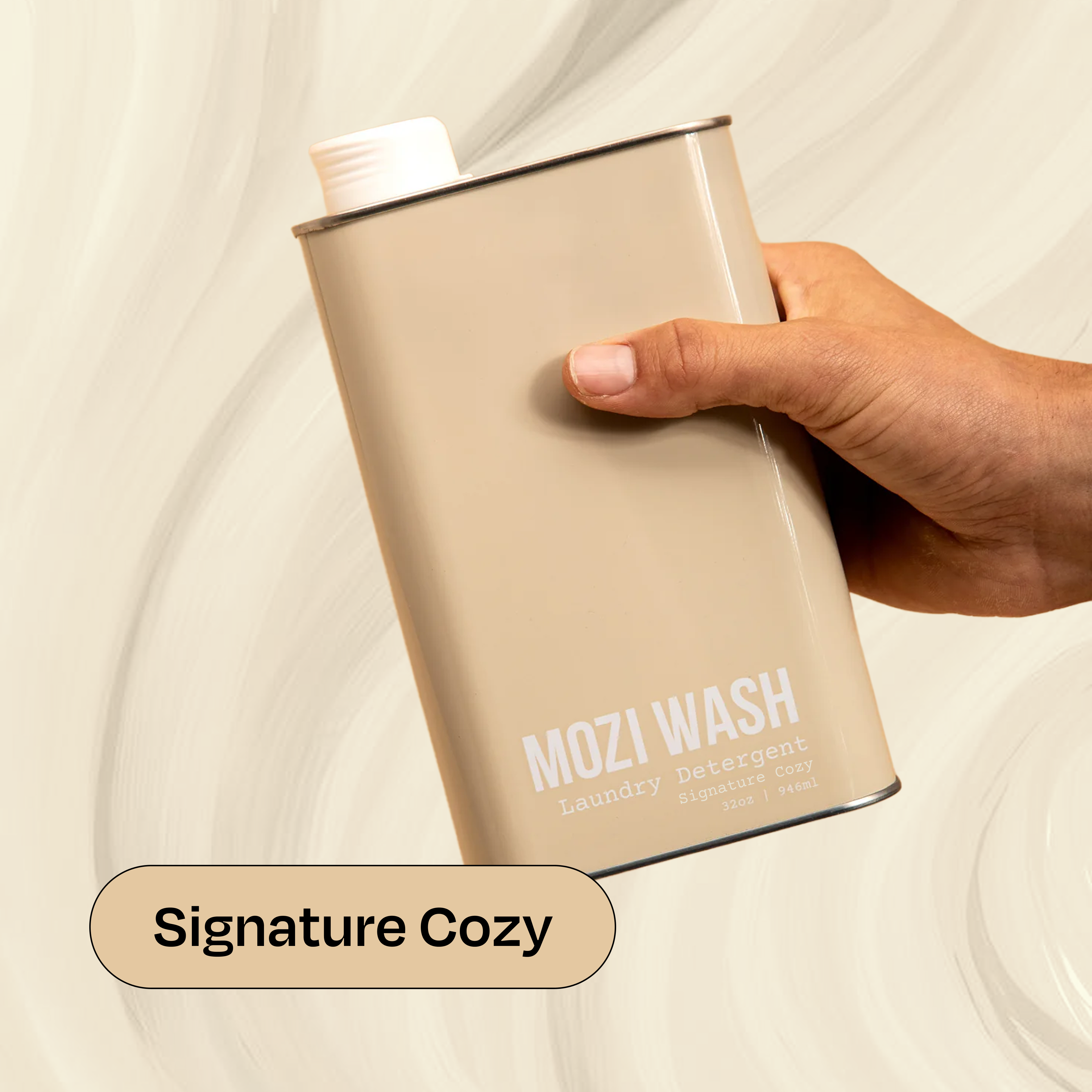
Mozi Wash fits well into delicate fabric care because its cleaning technology uses plant-based enzymes and coconut-derived cleansers to help lift everyday buildup from fabrics.
For viscose, Tencel, and modal, this matters because these fabrics need effective cleaning without harsh handling or heavy residue.
Mozi Wash can be positioned as a better-for-you laundry option because it avoids certain ingredients many households prefer to skip, while still supporting a thoughtful wash routine for soft fabrics.
For these materials, use:
-
A small detergent dose
-
Cold or cool water
-
Gentle movement
-
Similar fabric sorting
-
Careful air drying
This helps soft fabrics feel clean without being overwashed.
FAQs on viscose, Tencel, and modal: how to wash your softest fabrics
1. How to wash viscose if the care label says hand-wash only?
Use cold water, gentle hand movement, and a small amount of hand-wash laundry detergent. Do not scrub, twist, or wring. Press water out with a towel and reshape before drying.
2. Can delicate laundry detergent be used for washing Tencel?
Yes. A delicate laundry detergent works well for washing Tencel because it helps clean smooth fibers without making them feel stiff or heavy.
3. What is the best modal fabric care routine for everyday clothing?
For modal fabric care, wash in cold water, turn garments inside out, avoid rough fabrics, and air dry when possible to help preserve softness.
4. Can hand-wash laundry detergent be used for modal sleepwear?
Yes. Hand-wash laundry detergent can be used for modal sleepwear, especially if the fabric is lightweight, blended, or labeled for gentle washing.
5. Why does viscose shrink after washing?
Viscose may shrink when exposed to heat, rough agitation, or high dryer temperatures. Cold water, gentle handling, and air drying help reduce this risk.
6. Why does Tencel feel stiff after washing?
Tencel can feel stiff if too much detergent is used, if the washer is overloaded, or if residue remains in the fabric. Use a smaller dose and rinse well.