There’s usually a moment that makes you rethink how you do laundry.
It might be the first time a cashmere sweater loses its softness. Or when a silk blouse comes out slightly dull, not ruined, but not the same either. Maybe it’s a wool piece that feels tighter than before, or linen that turns stiff after a wash.
Nothing dramatic happens. Just small changes. But enough to make you wonder if something in the process is off. More often than not, the answer isn’t the washing method - it’s the detergent.
Choosing the best laundry detergent for delicates is less about stronger cleaning and more about understanding how delicate fabrics actually behave.
Why delicate fabrics need a different kind of care

Delicate fabrics aren’t just “lighter”, they’re structurally different.
-
Cashmere and wool are protein-based and sensitive to temperature
-
Silk reacts quickly to chemicals and friction
-
Linen has a loose weave that holds onto residue
When treated like regular fabrics, they don’t fail immediately, but they slowly change.
You’ll notice:
-
Reduced softness
-
Loss of shape
-
Slight stiffness
-
Dull appearance
That’s why a gentle detergent for delicate fabrics becomes essential. It minimizes these gradual changes.
What actually makes a detergent suitable for delicates

The difference isn’t in how strong a detergent is, but how controlled it is.
A good, delicate laundry detergent is designed to:
-
Clean without disturbing the fiber structure
-
Work effectively in low agitation (like hand washing)
-
Rinse out completely without leaving residue
-
Maintain how the fabric feels after drying
You won’t notice a dramatic difference after one wash. But over time:
-
Cashmere stays soft
-
Silk keeps its smooth finish
-
Wool holds its shape
-
Linen remains breathable
That consistency is what defines a true mild detergent for linen, wool, or cashmere.
Fabric-specific care: what each material actually needs

Delicate fabrics may be grouped together, but they don’t behave the same way. Treating them with a one-size-fits-all approach is where most laundry routines fall short.
A better way to care for them is to adjust your method based on how each fabric responds to water, movement, and detergent.
Cashmere
Cashmere is prized for its softness, but that softness comes from extremely fine fibers that are easy to disturb.
-
Use a cashmere detergent or a delicate laundry detergent
-
Keep handling minimal by avoiding rubbing or stretching
-
Focus on maintaining softness rather than over-cleaning
Silk
Silk has a naturally smooth surface that can lose its finish if handled too much.
-
Use a gentle detergent for delicate fabrics
-
Wash quickly and avoid prolonged soaking
-
Limit movement to light swishing rather than agitation
Wool
Wool is flexible but reacts quickly to temperature and friction.
-
Use a mild detergent for wool
-
Keep water temperature consistent from wash to rinse
-
Press out water gently instead of wringing
Linen
Linen is durable but tends to feel stiff if the detergent isn’t fully rinsed out.
-
A mild detergent for linen should be used
-
Rinse thoroughly to prevent residue buildup
-
Avoid heavy formulas that can weigh down the fabric
When you start adjusting your approach this way, you’ll notice that fabrics don’t just come out clean; they retain their original feel, which is what delicate care is really about.
Why do grease stains behave differently on delicate fabrics
Grease stains don’t behave like most other stains, and that’s why they’re harder to remove, especially from delicate fabrics.
Unlike dust or sweat, grease doesn’t mix with water. Instead, it binds to fabric fibers, sitting within them rather than washing away easily. On delicate materials like silk, wool, or cashmere, this becomes more noticeable because the fibers are finer and more absorbent.
What makes it trickier is that these fabrics can’t handle aggressive cleaning methods. You can’t scrub, use high heat, or rely on strong detergents without risking damage.
So the challenge is two-fold:
-
You need to break down the oil effectively
-
You need to do it without stressing the fabric
That’s why removing grease from delicate fabrics requires a more controlled approach, one that lifts the stain gradually rather than forcing it out.
How to remove grease stains without damaging fabric
A careful approach works better than aggressive cleaning:
-
Blot the stain, don’t rub
-
Apply a small amount of dish soap to break surface oil
-
Follow with a delicate laundry detergent
-
Rinse with cool water
The goal is to lift the stain gradually without stressing the fabric.
Why heat is the most common mistake
Heat is often the point where stains and fabric damage become permanent.
-
It sets grease stains into fibers
-
It can shrink wool and cashmere
-
It weakens delicate fibers like silk
That’s why:
-
Avoid hot water for delicates
-
Never dry-stain garments before treating them
This one step alone can prevent most long-term damage.
The role of enzyme-based detergents in modern fabric care
Enzymes are what allow detergents to clean effectively without being aggressive.
Each enzyme targets a different type of stain:
-
Lipase works on oils and grease
-
Protease targets protein-based stains
-
Amylase breaks down starch
In formulations like those used by Mozi Wash, these enzymes are carefully balanced to work even in cooler water, which is ideal for delicate fabrics.
The Mozi Wash approach to treating delicate fabrics and stains
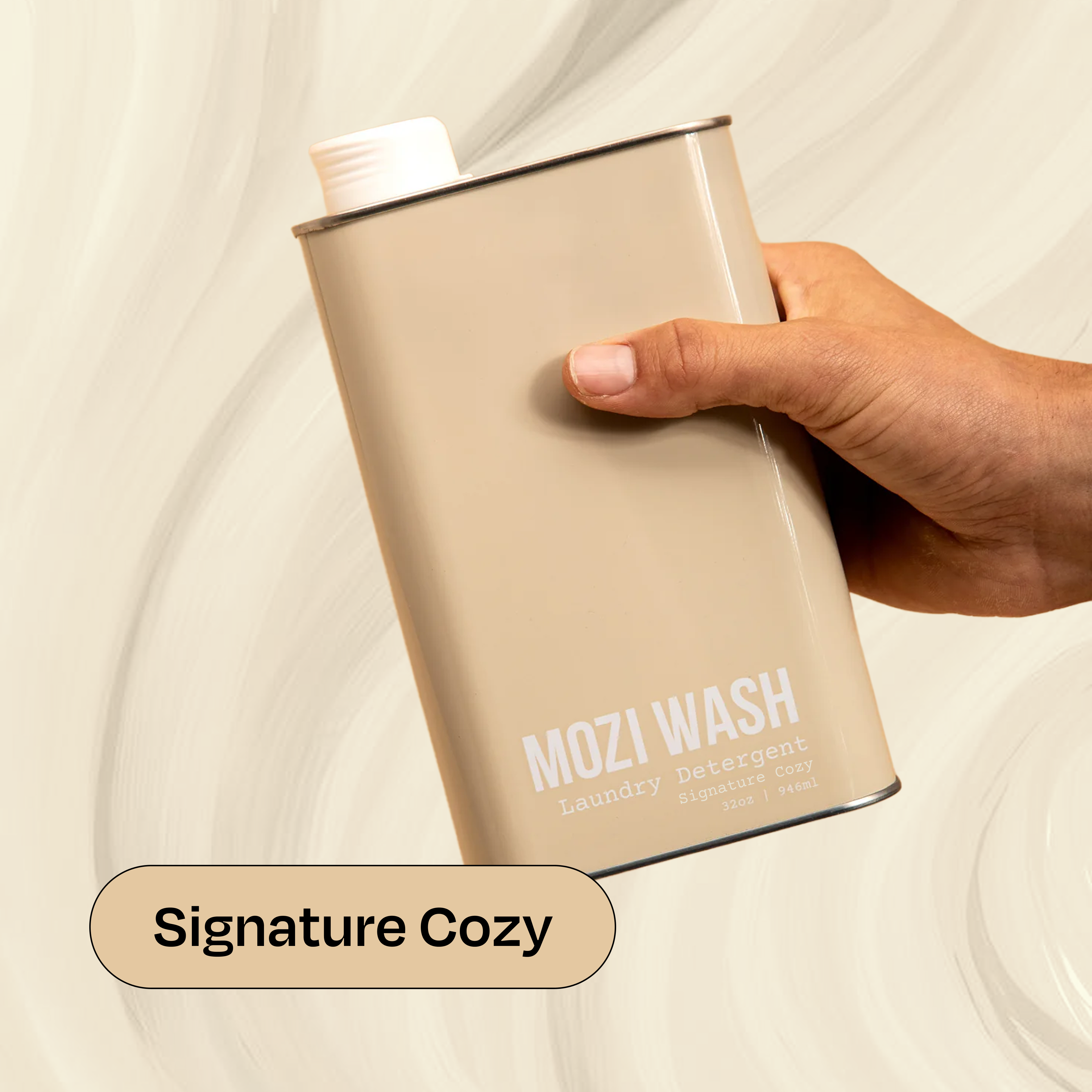
When it comes to delicate fabrics, the goal isn’t just to remove stains; it’s to do it without changing how the fabric feels afterward. This is where a thoughtfully designed detergent makes a difference. Mozi Wash laundry detergents are built around a more balanced cleaning approach, especially useful for delicate materials.
Instead of relying on harsh cleaning agents, the focus is on:
-
Targeted stain breakdown using enzyme systems that work on oils, proteins, and everyday residue
-
Gentle surfactants that lift dirt without over-stripping fibers
-
Clean-rinsing formulations that don’t leave buildup behind
-
Maintaining fabric feel, so materials like silk, wool, and linen retain their original texture
FAQs on best detergent for delicate fabrics: cashmere, silk, wool & linen
1. Can a delicate laundry detergent help prevent silk from losing its sheen?
Yes. A delicate laundry detergent cleans without stripping the natural proteins in silk, which helps preserve its smooth surface and subtle shine over time.
2. Why does cashmere sometimes feel less soft after repeated washing?
Cashmere can lose softness when natural oils in the fibers are stripped away by harsh detergents or when residue builds up due to incomplete rinsing.
3. Can a cashmere detergent improve the lifespan of delicate knitwear?
Yes. A cashmere detergent is designed to clean while preserving fiber integrity, which helps reduce wear and extends the life of knit garments.
4. How does water hardness affect washing delicate fabrics?
Hard water can leave mineral deposits in fabrics, making them feel rough over time. Using the right amount of detergent and rinsing thoroughly helps reduce buildup.
5. How do you prevent watermarks on delicate fabrics like silk?
Use clean water for rinsing and avoid uneven drying. Watermarks often form when minerals or detergent residue dry unevenly on the fabric.