Laundry often feels like one of those tasks we complete on autopilot. Clothes go into the washer, detergent is added, and the machine does the rest. But one simple habit can make a noticeable difference in how clothes look, feel, and smell afterward: sorting laundry properly.
Many people skip this step to save time, assuming modern detergents can handle everything in one load. While detergents certainly help, washing all garments together can affect cleaning performance and even reduce how long a pleasant fragrance lasts on fabrics.
In addition, before starting any load, it is helpful to consider both the fabric and the detergent being used. For example, delicate garments washed with a delicate laundry detergent benefit greatly from being separated from heavier items like towels or denim. Knowing how to sort laundry correctly ensures fabrics are treated gently while helping detergents clean and fragrance clothes more effectively.
Why sorting laundry makes a real difference
Sorting laundry may seem like an extra step, but it plays a key role in maintaining clothing quality.
Different fabrics absorb water and detergent differently. For example, a heavy towel behaves very differently in the wash compared to a lightweight cotton shirt. If these items are washed together, heavier fabrics can rub against delicate ones, potentially damaging them.
Properly sorted laundry helps ensure that each group of garments receives appropriate washing conditions. Some benefits include:
-
Preventing dye transfer between garments
-
Protecting delicate fabrics from friction
-
Allowing the detergent to distribute evenly
-
Improving overall cleaning performance
-
Helping fabrics retain fragrance after washing
A practical laundry sorting guide
If you are unsure where to begin, following a simple laundry sorting guide can make the process easier. Here are the steps to help you out:
Step 1: Sort clothes by color
The initial step starts with learning how to sort laundry separately based on colors. This helps prevent dye transfer and protects delicate materials during washing.
Clothes can generally be divided into the following groups:
-
Whites
-
Light colors or pastels
-
Dark colors
Sorting by color helps keep lighter garments from picking up dyes released by darker fabrics during washing.
Step 2: Sort delicate fabrics
Delicate fabrics require more careful washing conditions. It is important to separate those from the heavy fabrics or the clothes that need hard or machine washing. These may include:
-
Silk garments
-
Lace fabrics
-
Lightweight knitwear
These fabrics are soft in nature, and washing them in the machine may damage them. Washing these items by hand separately with a delicate laundry detergent helps maintain their softness, structure, and overall fabric quality.
Step 3: Keep heavily soiled clothes apart
Garments that are heavily stained or sweaty should be washed separately from lightly worn clothes. Mixing them may spread dirt and odors across the entire load. Sorting by soil level ensures the detergent focuses on removing stains effectively.
Step 4: Sort by fabric weight
Fabric weight also matters when washing clothes. Heavy items such as jeans, sweatshirts, and towels can create friction when washed with lightweight fabrics like shirts or blouses. Over time, this friction may weaken delicate fibers.
Separating garments by weight helps protect clothing and improve cleaning performance.
Step 5: Set aside clothes that need hand washing
Some garments are better washed manually rather than placed in a washing machine.
Clothing made from delicate materials or garments with special care instructions may require a hand wash laundry detergent and gentle washing. Sorting these garments before starting laundry helps ensure they receive the right care.
How sorting laundry helps clothes smell better
Fragrance is often one of the most satisfying parts of laundry. Freshly washed clothes that carry a clean scent can make the entire routine feel worthwhile.
However, fragrance performance is closely tied to how clothes are sorted before washing.
If garments with very different fabrics or levels of dirt are washed together, the detergent may not distribute evenly. Heavy fabrics might absorb more detergent and fragrance, while lighter garments receive less.
When clothes are sorted properly, detergent spreads more evenly across the load. This helps fabrics absorb fragrance in a balanced way, allowing the scent to remain noticeable after drying.
Using a long-lasting fragrance laundry detergent together with proper sorting can help clothes stay fresh for longer.
When fragrance becomes part of laundry experience
Today, many people look for more than just clean clothes from their laundry routine. A noticeable, long-lasting scent has become an important part of garments. The detergent used can influence how well that fragrance settles into fabric fibers.
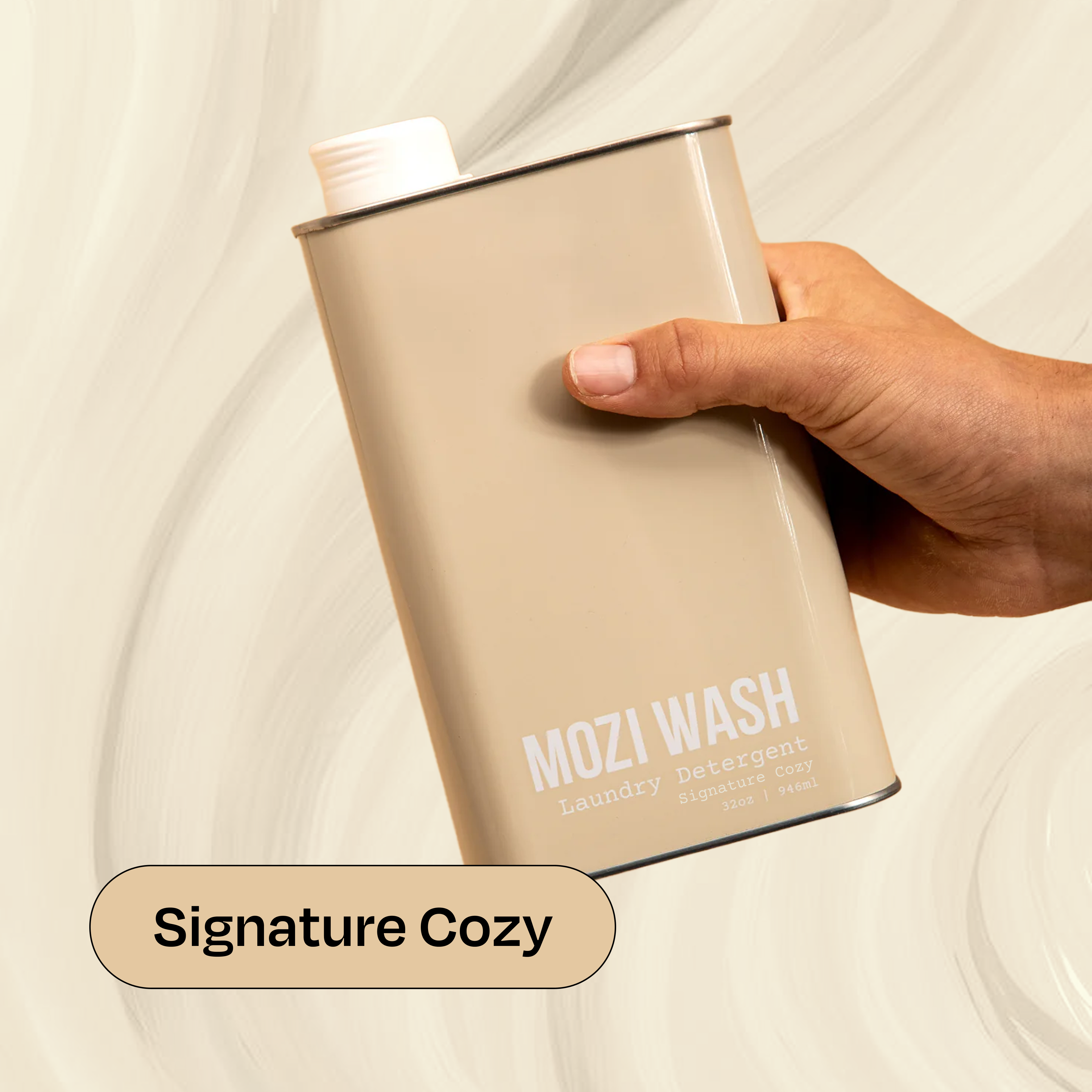
Some modern detergents are designed with this balance in mind, combining effective stain removal with fragrance-focused formulations. Mozi Wash takes a similar approach by creating detergents that clean everyday dirt while leaving a refined scent on fabrics after washing.
The key features that make Mozi Wash detergent stand out in the market are:
-
Plant-based surfactants that help lift dirt from fabrics
-
Enzyme blends designed to target common stains
-
Balanced formulas that rinse cleanly without residue
-
Fragrance-inspired detergents with scents like Signature Cozy, Vanilla Moon, Sugar Dew, and Alpine Woods
-
Recyclable metal packaging designed to reduce plastic waste
Small laundry habits that improve results
Sorting clothes properly is a great start, but a few additional habits can make laundry even more effective.
-
Measure detergent carefully to avoid residue buildup on fabrics.
-
Avoid overloading the washer so clothes have enough space to move and rinse properly.
-
Pre-treat visible stains before starting the wash cycle.
-
Rinse garments thoroughly to remove leftover detergent.
-
Dry clothes completely in a well-ventilated area to prevent damp odors.
-
Follow fabric care labels to choose the right washing method.
-
Use the right detergent for each load, such as a delicate or fragrance-focused formula when needed.
FAQs on How to Sort Laundry the Right Way - and Why It Matters for Scent Longevity
1. Can sorting laundry help clothes last longer?
Yes. Properly sorting laundry reduces friction between fabrics, protects delicate materials, and prevents color bleeding, which helps garments maintain their appearance and durability.
2. Why do some clothes lose their scent faster than others after washing?
Different fabrics absorb fragrance differently. Natural fibers like cotton tend to retain scent longer, while synthetic fabrics may release fragrance more quickly after drying.
3. Can mixing fabrics affect the cleaning performance of a load?
Yes. Heavier fabrics, such as towels, absorb more water and detergent, which may prevent lighter garments from being cleaned evenly during the wash cycle.
4. What role does fabric texture play in fragrance retention?
Fabric texture affects how scent molecules settle into fibers. Materials with tighter weaves or natural fibers often hold fragrance better than smooth synthetic fabrics.
5. How does washing temperature affect fragrance longevity in clothes?
Hot water can sometimes cause fragrance to evaporate more quickly, while moderate temperatures help detergent scents remain embedded in the fabric fibers.